

The Creditor We Keep Choosing
Governments talk about the bond market as though it were weather. It is a relationship, and there are others.

When Andy Burnham was mayor of Greater Manchester, he said he wanted Britain to go beyond being in hock to the bond markets. It was the kind of line that sounds like common sense from a stage and like a resignation letter from behind the door of Number 11. Within months, with the keys to Downing Street in view, he folded. He had never said you could simply ignore the bond markets, he explained. Of course not. Nobody about to owe three trillion pounds gets to be cavalier about the people he owes it to.
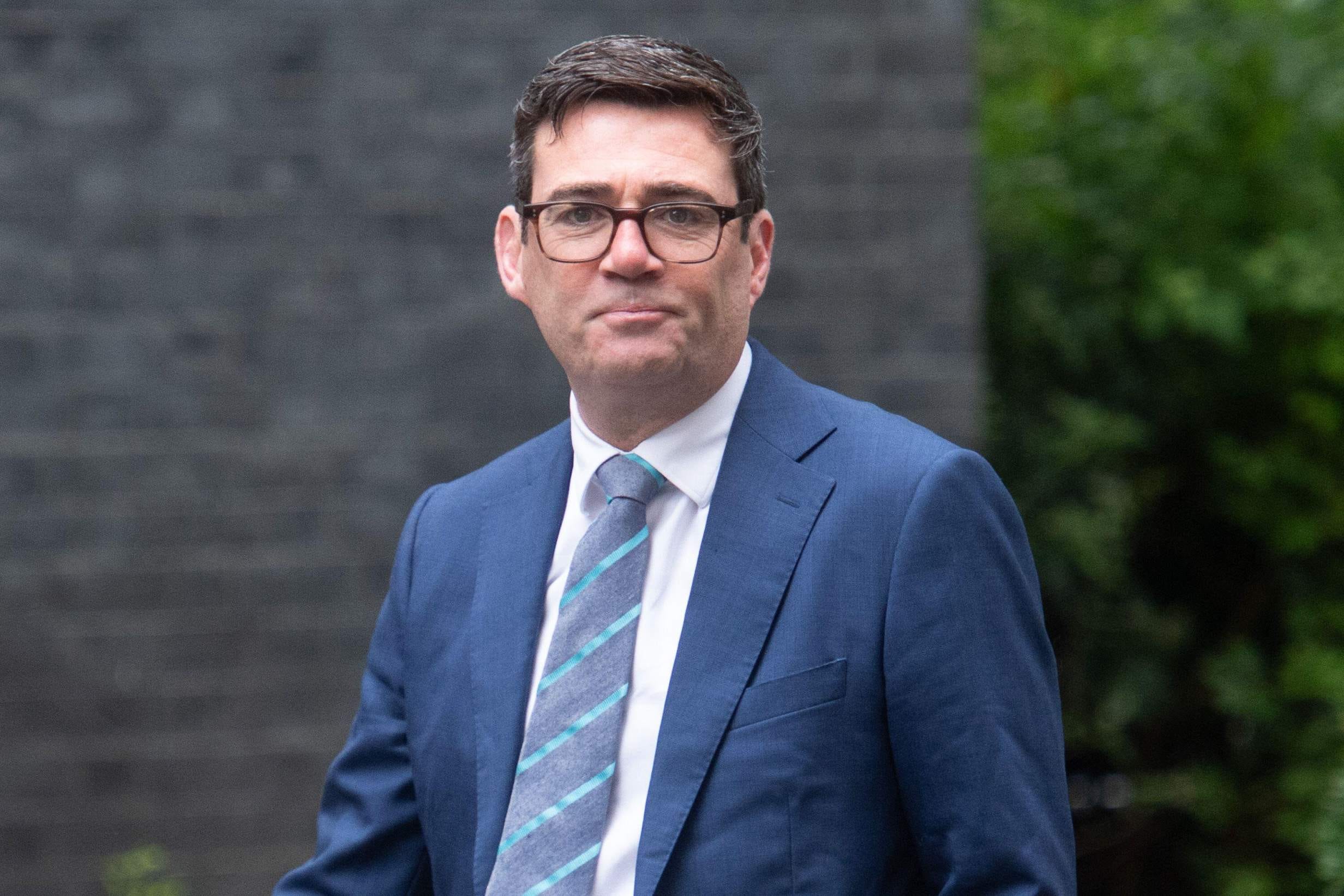
What nobody asked, in the small flurry of analysis that followed, was the better question hiding under the climbdown. Not whether a prime minister can defy the bond market, which he plainly cannot, but why the bond market is the master at all. Everyone treats the dependence as a fact of nature, like tides or the interest on a credit card. It is nothing of the kind. Britain talked itself into this within living memory and, in doing so, handed its lenders a veto over what any elected government is allowed to do. There are other ways to raise the money. Every one of them has been built and run at scale. We mostly avoid them now, not because they fail, but because they put a name and a face to the bill, and the method we prefer does not.
