

Someone to Point To
Every society reaches for a strongman eventually. It happens after the wreckage, and the cultures that think themselves immune are only the ones not yet frightened enough.

He stood at the lectern outside Number 10 a little after half past nine on Monday morning, and somewhere down the street a small crowd was playing the Ode to Joy, because it was almost exactly ten years to the day since the country had voted to leave the union the tune belongs to. Keir Starmer read his resignation in the manner he reads everything, the manner of a man returning a verdict rather than making a case, and then he went back inside. He had governed for seven hundred and seventeen days. He had made real mistakes in that time, on winter fuel and on the company he kept, and any honest ledger would list them. But that is not the ledger being totted up this week. The autopsy almost everyone has reached for is stranger than policy and more revealing. He could not tell a story. He had no theatre to him, no face a country wants to keep looking at. He was a competent man who could not make a country feel anything, and a modern public will forgive a great deal sooner than it forgives that.
This is worth noticing before we leave him, because the complaint is the evidence. The country did not conclude that it wanted a more competent manager. It concluded that it wanted a protagonist and set off to find one, which is something human societies have done for as long as there have been societies, and which they do most fervently at the precise moments when it serves them worst.
The Theory That Outlived Its Own Refutation
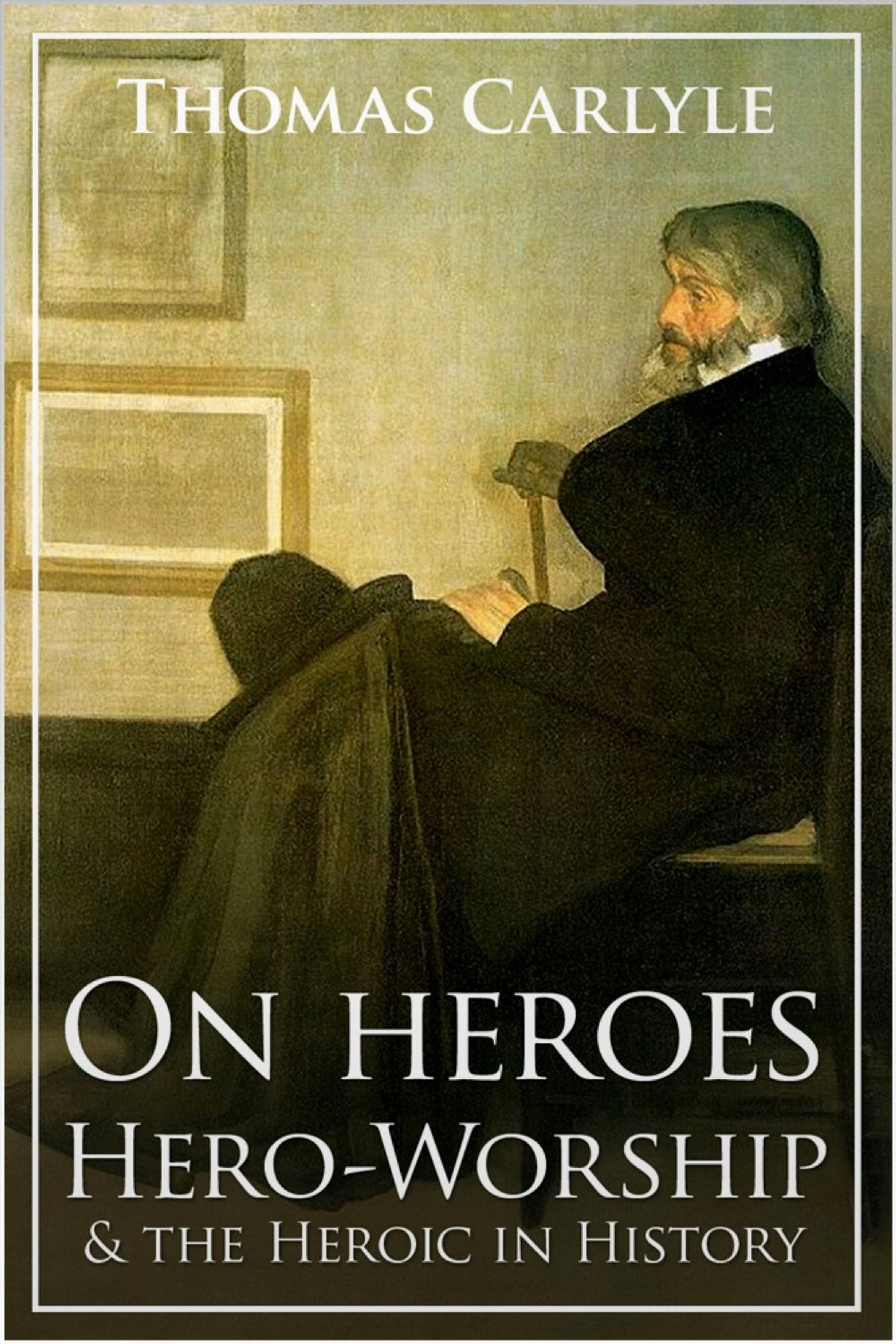
In 1841 Thomas Carlyle gathered the instinct into a lecture series, On Heroes, Hero-Worship, and the Heroic in History, and gave it the shape everyone half-remembers. Universal history, he argued, was at bottom the history of the great men who had laboured here, and the rest of us lived out our lives among the results of their thinking. The line is usually compressed into the slogan that history is merely the biography of great men, which is blunter than what Carlyle wrote but faithful to what he meant. The summits were everything. The valleys between them were just the time the rest of us spent waiting for the next great man to climb.
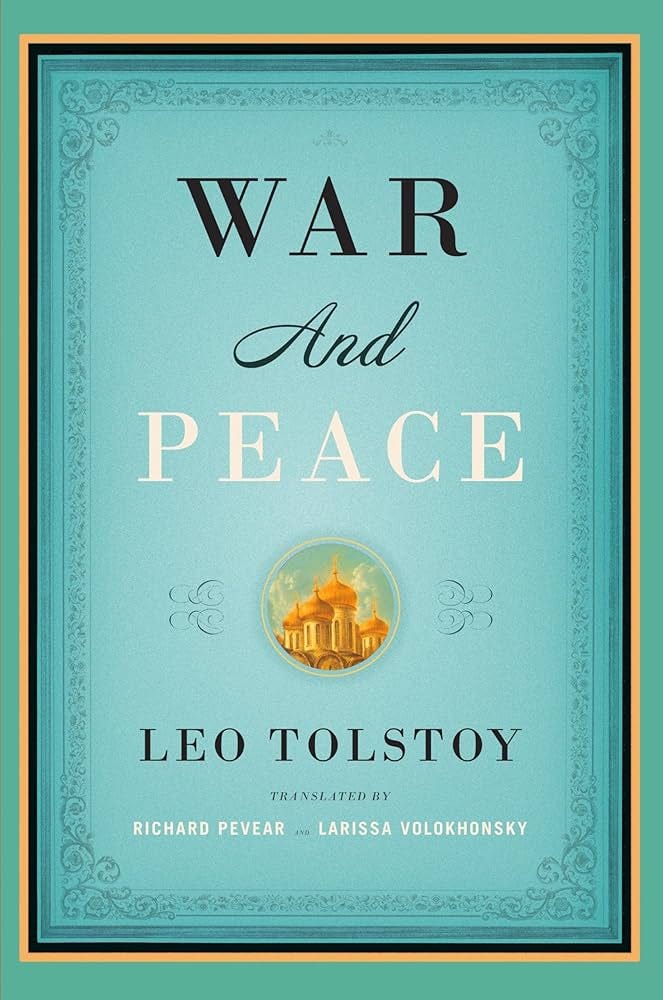
It is hard to overstate how thoroughly this was dismantled, or how fast. Within a generation, Herbert Spencer had made the obvious objection, which is that the great man does not descend from the sky. Before he can remake his age, his age must first make him, furnishing the language he thinks in and the crowd that agrees to be led. The hero is an effect wearing the costume of a cause. Tolstoy went further in the long second epilogue to War and Peace that almost nobody finishes, casting Napoleon as the least free man in Europe, a figure convinced he was steering the storm while the storm carried him along, the word “great” being merely the name we paint on the froth at the top of the wave after it has already broken. By the time the social historians arrived with their grain prices and their slow tectonic centuries, the biography of great men had been retired from serious method. You cannot earn a doctorate now by arguing that the First World War happened because the Kaiser had a forceful character.
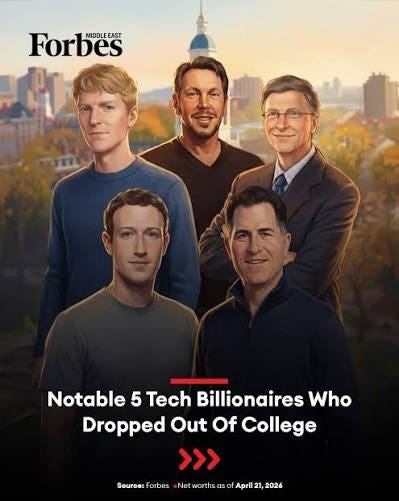
And yet open any newspaper and the front page is a face. Open any business magazine, and the cover is a founder, the lone indispensable genius without whom the billion-dollar machine beneath him would supposedly crumble into sand. Every election is staged as a duel of characters rather than a collision of forces. The idea that was buried in the seminar room walked out of the building and took possession of the culture, because the great man theory was never really an account of the past. It is a craving in the present, and a craving does not much care what the historians proved.
We Are Built to Look for the Hand
The craving has an architecture, and most of it sits below the level of argument.
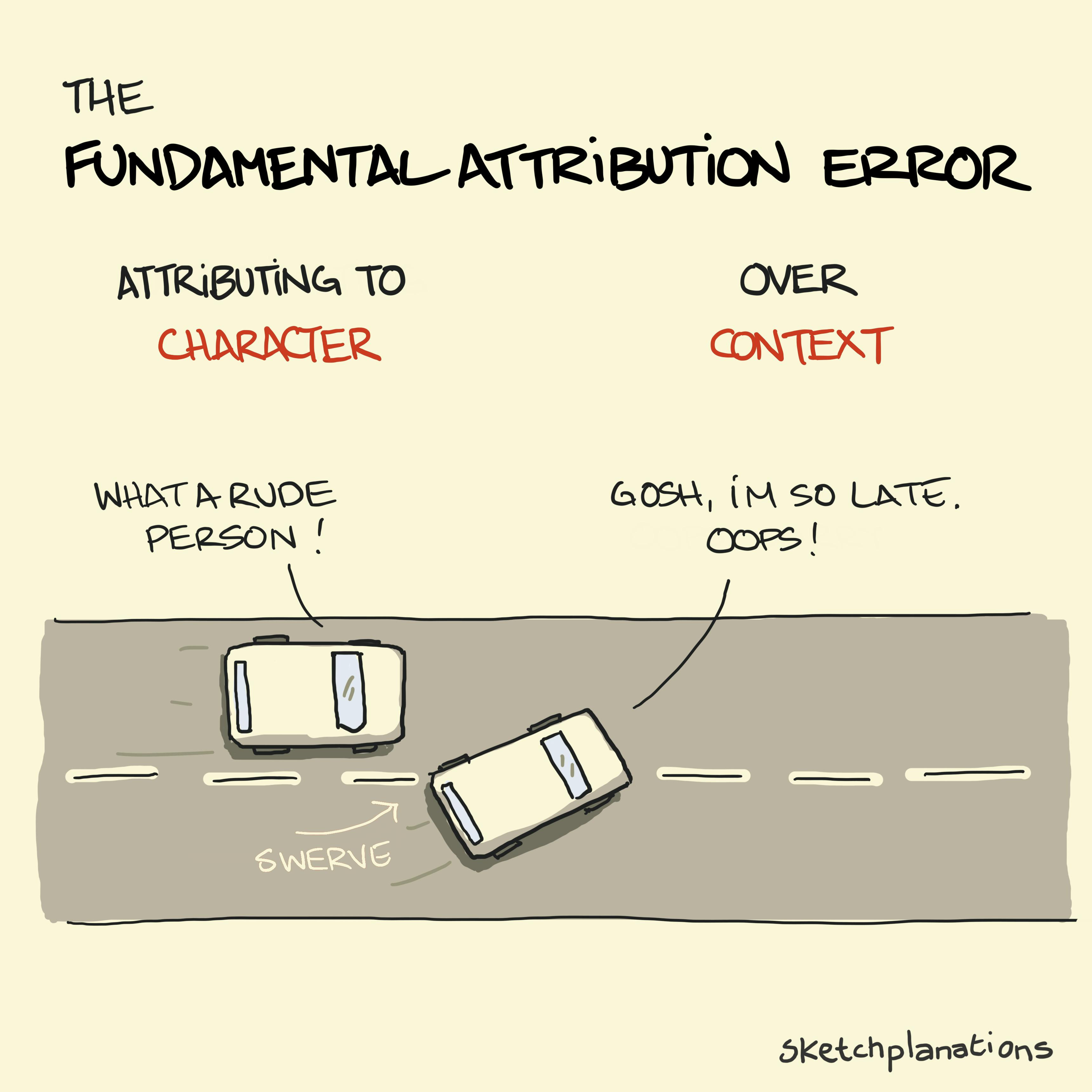
Begin with what psychologists call the fundamental attribution error, the standing human habit of explaining an outcome by reaching first for the character of a person and only grudgingly, if at all, for the situation that person was standing in. A colleague is late because she is careless rather than because the train was cancelled. A country prospers because its leader is strong rather than because the terms of trade happened to move its way for reasons no leader chose. The interesting wrinkle is that this bias is not evenly spread across humanity. It is measurably sharper in the individualist cultures of the West and softer in the more collectivist societies of East Asia, where people are likelier to read an outcome as the product of circumstance. The reflex to credit the man, in other words, is itself something a culture installs, and some cultures install it far more deeply than others. Hold on to that, because it turns the obvious expectation upside down later.
Underneath the bias sits something older. The human animal is a relentless detector of agency, evolved on a plain where mistaking a lion for a rock was fatal and mistaking a rock for a lion cost nothing, and so we see faces in clouds and hand our hurricanes human names. A world of impersonal forces, of currents and pressures answering to no one’s will, is nearly impossible to keep steady in the mind. A world run by a man is effortless. The brain reaches for the version with a villain in it, because the version with a villain can at least be pictured.
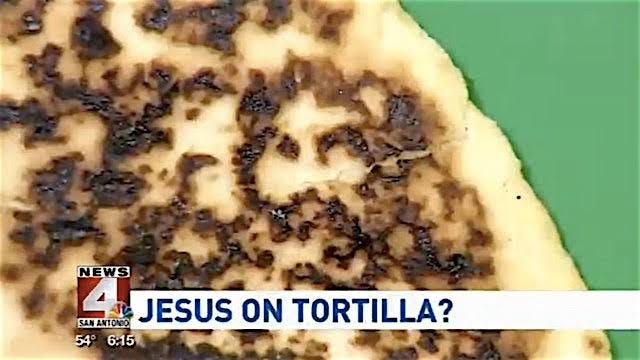
Then there is narrative, which is how we digest reality whether we consent to it or not. A story needs a protagonist the way a sentence needs a subject. A chart of bond yields offers no hero and no arc, and the mind slides off it like rain off glass, whereas a king supplies both at once. So we convert the unbearable abstraction of how a society actually moves into the bearable drama of who is in charge of it. Arguing about whose face belongs on the machine is most of what we call politics.

The deepest root is the one we confess to least. A world authored by great men is a world that can be steered, and so a world that can be saved. If the right figure could rescue us, then ours is the kind of place where finding the right figure is the whole of the task, and the task has a solution, and we are not merely being carried by something indifferent to us. The alternative is that no single hand commands the forces deciding whether your wages rise or your town hollows out, that the levers in the famous rooms are mostly disconnected from the engine, and that the people we elect are closer to figureheads bolted to the prow than to anyone steering. That thought is almost impossible to live inside for long. So we install the face, and the relief of having installed it is a feeling we have learned to call leadership.
The Strong Man Arrives After the Wreckage
If the craving is always present, the question is what wakes it, and the answer across every culture that has ever surrendered to a single ruler is the same. Disorder wakes it. The strong man is not summoned in the calm. He is summoned out of the wreckage, by people who can no longer see how the chaos around them joins up to anything they are able to name, and who will trade a very great deal for someone willing to gather all of it into one will and make the noise stop.
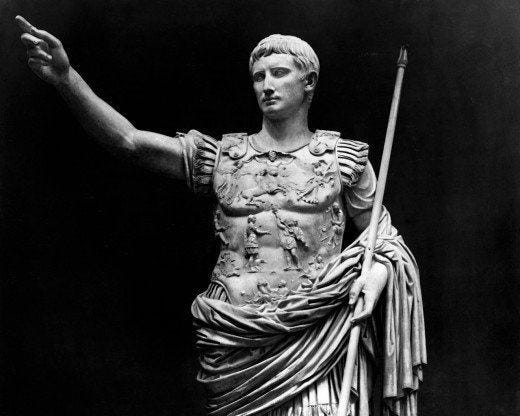
Rome is the founding case, and it took a century of it. The Republic that Romans revered, with its Senate and its deep horror of kings, did not fall to a single ambitious general so much as exhaust itself, through a hundred years of civil war and proscription and lists of names posted in the forum of men to be killed before morning. By the time Augustus arrived, the relief at an ending was so total that he could keep every outward form of the Republic, the offices and the polite fiction that he was merely the first citizen, and nobody minded that the substance had been quietly removed. A people worn out by disorder did not want liberty. They wanted it to be over, and they wanted a face to thank.
France ran the same circuit in miniature and at speed. A revolution that began by promising the permanent end of kings produced the Terror and the daily arithmetic of the guillotine, and out of the exhaustion that followed stepped a Corsican artillery officer whom the same nation crowned its Emperor in 1804, barely a decade after it had beheaded the last one. Order with a face had turned out to be worth more to them than liberty without one.
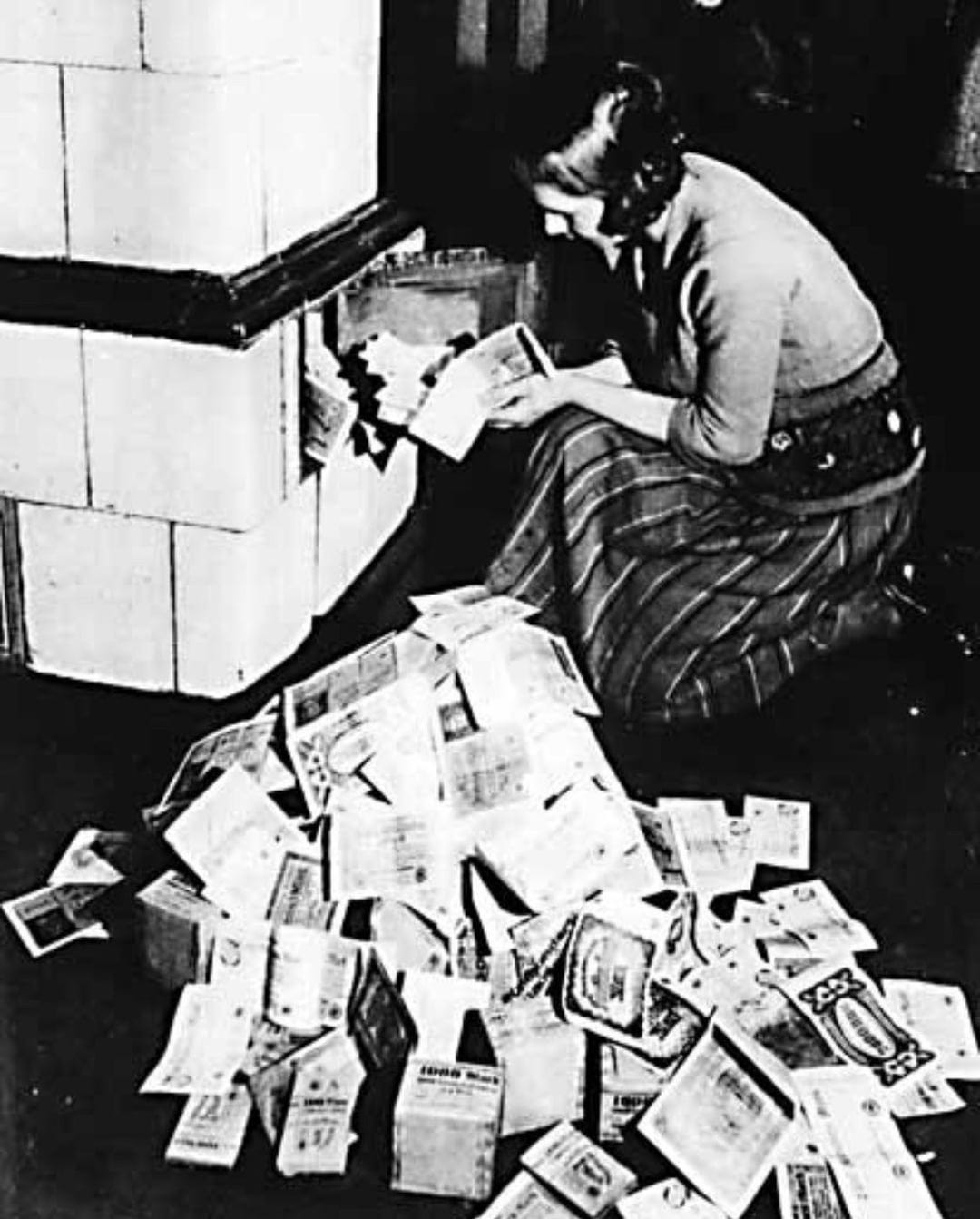
Weimar Germany is the case that should frighten anyone who believes a sophisticated society is safe. Within a single decade Germans watched their savings vaporise in an inflation so absurd that a wheelbarrow of banknotes bought a loaf of bread, then watched the brief recovery collapse into the Depression, and a frightened and humiliated population handed power, by means that were largely constitutional, to the man who promised most loudly to end the humiliation. The wreckage came first. The strong man came second, as he almost always does, presenting himself not as the cause of the disorder but as its only cure.
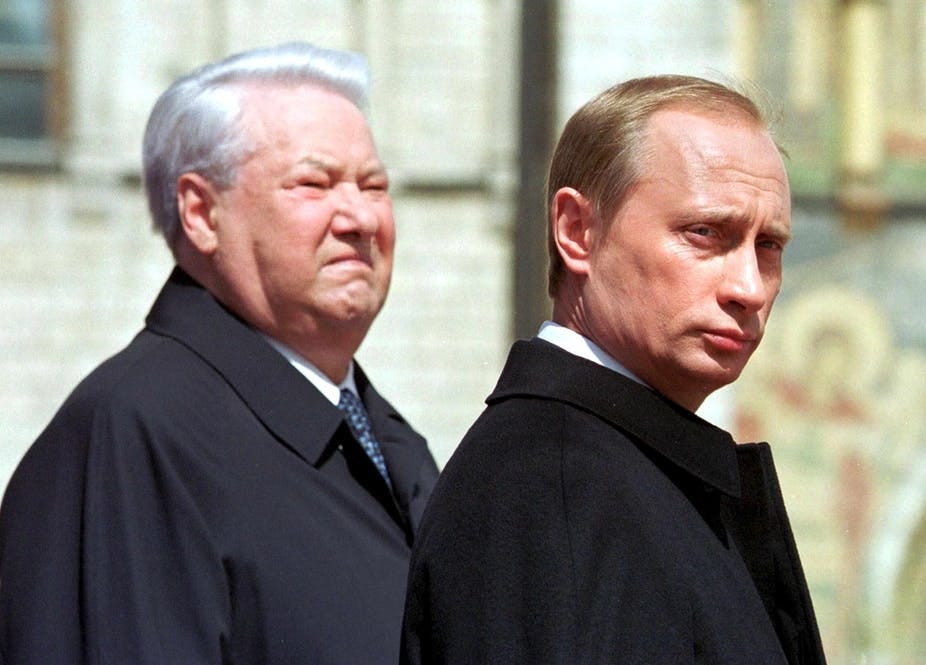
Russia offers the same lesson inside living memory. The 1990s, remembered in the West as the sunny dawn of Russian freedom, were experienced by most Russians as a decade of looting, of pensions evaporating and a once-superpower auctioned off to whoever was standing closest. The durable core of Vladimir Putin’s appeal, which survives every later disappointment, is that he is the man who ended that. Russians who dislike a great deal about him will still credit him with the one thing the wreckage made them crave, which was the sense that someone, at last, was in charge.
Which brings the pattern to the present, and to El Salvador, where Nayib Bukele sits at an approval rating near ninety per cent that no ordinary democracy is built to produce. The wreckage here was the gangs, a country that for years held one of the highest murder rates on earth, where a wrong street could cost a teenager his life. Bukele’s crackdown ran on a permanent state of emergency and the arrest of more than ninety thousand people, with due process suspended not as a regrettable cost but as the headline product, and a mega-prison built to hold the shaven-headed men who will see no trial. The murders genuinely fell, which matters, and which is why the hard version of this case is the honest one. Even granting every result in full, the worship outruns the audit. The credit pours onto one man, his face and his personal brand of order, and not onto the police, nor onto the strong suspicion, documented by Salvadoran reporters, that the peace rests partly on a quiet bargain struck with the very gangs he is seen to have crushed. The mechanism is contested and the devotion is not, because the devotion was never about the mechanism. It was about having a man to point to.
The Self-Made Man Is the Strong Man at Smaller Scale
Here is where the wrinkle from earlier pays out, and it pays out most sharply in the country that ought, by every surface reading, to be the most resistant on earth.
The United States was founded by men so afraid of a king that they built an entire machine of divided power for the express purpose of stopping any single person from accumulating too much of it. Its mythology is not the crown but the self-made man, the lone founder in the garage who owes his fortune to nobody and bends the world to his will by force of character. You would expect the great man theory to starve in that soil. It does the opposite. It grows there better than anywhere, and the reason is that the worship of the self-made individual and the worship of the strong man are not opposites at all. They are the same belief at two magnifications.
A culture that teaches every child that the individual is the sole author of his own destiny has already signed up to the premise. It has only to enlarge it. If one determined man can will himself from nothing to a billion dollars, then surely one determined man can will an entire nation back to greatness. The American cult of the founder, the Steve Jobs credited personally with every object his tens of thousands of engineers built, the Elon Musk whose followers treat him as a one-man civilisation, is the same instinct that produces the saviour-president, the outsider who runs not on a manifesto but on himself, on the proposition that he and he alone can fix it. He says exactly that, and a country raised to believe that exceptional individuals bend reality does not hear a warning. It hears a job description.
The appetite is not the property of one party, which is part of how thoroughly it has colonised the place. The left has its messiahs and the right has its strongmen, and both wings, whatever their professed politics, keep arriving at the same conviction that the system is too far gone for mere institutions and what is needed now is the right person. The collectivist societies that the psychologists found less inclined to pin every outcome on a single character are, by the same measure, a little better armoured against the fantasy that one human being is the whole of the story. The most individualistic culture in history turns out to be the least protected from the oldest political mistake there is, because it spent two centuries training its citizens in precisely the habit of mind the mistake requires.
The Margin Where the Demagogue Works
The honest objection to all of this is that individuals sometimes genuinely do matter, and the objection is correct, so it deserves the strongest possible hearing before anything is done to it.
There are real hinge points where a single person tips a balance that could plausibly have fallen the other way. It is entirely possible that a different man in Churchill’s chair in 1940 sues for terms, and the war runs a darker course for it. Lincoln’s particular blend of patience and ruthlessness is hard to lift out of the American story without the whole structure sagging, and the bullet that removed him arguably wrecked the reconstruction of the South for a century. People are not interchangeable counters. At the genuine turning points, the name on the door can be the difference between one history and another, and any account that denies it is selling a determinism as crude as the heroism it means to replace.
Grant all of it. It still does not rescue the theory, because the great man theory was never the modest and defensible claim that individuals occasionally tip a finely balanced moment. That claim is merely true, and not very exciting. The theory is the maximal one: that great men do not nudge outcomes but author them, that the figure at the top is the engine rather than the ornament, that history is whatever the hero decides it will be. The whole distance between “tipped a close moment” and “wrote the result single-handed” is the room in which every demagogue who ever lived has set out his stall. He does not need to cause anything. He needs only to stand in the gap where the real causes are too diffuse to see and hold up his own face as their replacement. A frightened population will do the rest, pressing both the credit and the blame onto him in roughly equal measure. Legibility is the entire product. Effectiveness is optional, and once the face is in place almost nobody checks for it.
No society reaches for the strong man because it admires strength. It reaches for him because it is frightened and tired, because it can no longer trace how the disorder pressing in on every side connects to anything it knows how to name, and because he is the one figure offering to take all of it off their hands and answer for it personally. The cultures that imagine themselves furthest from that bargain, the ones built on the sovereignty of the individual and the old suspicion of kings, are not exempt from it. They are merely the ones that have not lately been frightened enough. The hole is always there, cut precisely to the shape of a man, and prosperity is only the long calm stretch in which a society manages to forget it is standing directly over it. Then the lights begin to flicker, and it looks down, and it starts, once more, to fill it.
☕ Love this content? Fuel our writing!
Buy us a coffee and join our caffeinated circle of supporters. Every bean counts!
I enjoyed this article. I fervently hope that what we are seeing in the US at this moment is a turn towards ideas and not Individuals. There is no saviors name being bandied about just little victories all around against the powers that be regardless of party.